
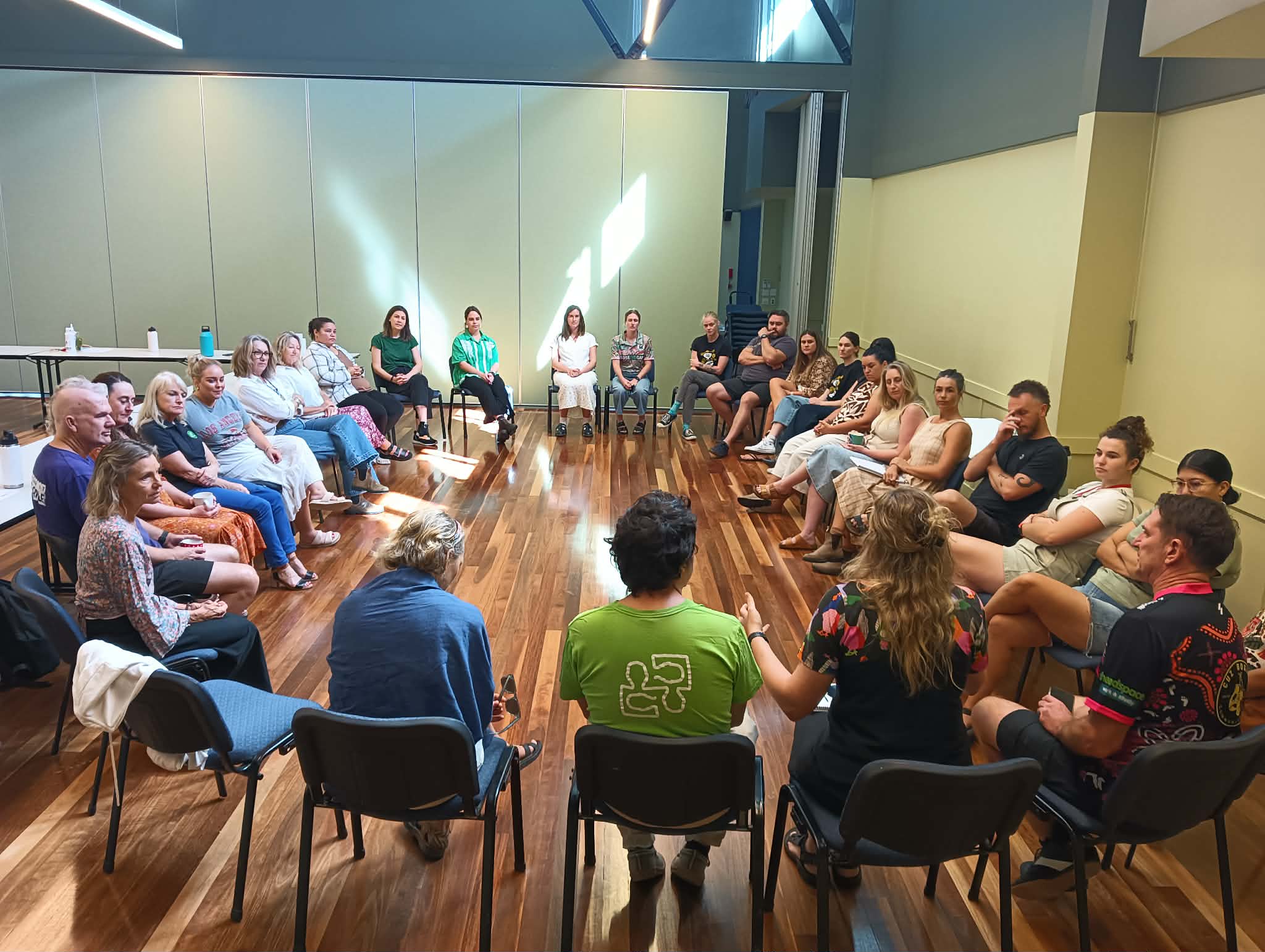
As I reflect on the past year at Health Voyage, I’m reminded that meaningful change doesn’t always announce itself with fanfare. Sometimes it shows up quietly in a young person getting same-day mental health support, or in a woman finally accessing specialist care for endometriosis after years of dismissal. These moments matter because they represent what’s possible when we commit to accessible, trauma-informed healthcare in regional communities.
The numbers tell one story. In 2024/25 Health Voyage delivered over 31,000 occasions of service across our programs. We supported 775 young people at headspace Coffs and 451 at headspace Grafton, while our Women’s Health Centre provided 8,958 occasions of service, including 2,315 through our Health Promotion Groups. Our new Endometriosis and Pelvic Pain Clinic served 194 patients across 394 appointments—one of only 22 original EPP clinics in the country.
But behind these numbers are the stories that keep me grounded in why this work matters.
The Reality of Regional Healthcare
One of our ongoing challenges is the availability of suitably qualified clinicians. In regional areas, this isn’t just about recruitment—it’s about creating environments where health professionals can thrive, grow, and do their best work. Our people are our greatest strength, and in service delivery, we need to ensure staff are supported and nurtured to reach their potential.
This year, we took concrete steps to address this. We introduced Women’s Health Leave, recognising that supporting our team means supporting them holistically. We can’t provide trauma-informed, compassionate care to our community if we’re not extending that same care to ourselves.
At headspace Coffs Harbour, we recruited two GPs who provide free, trauma-informed, and culturally safe services for young people. We maintained access to free face-to-face and telehealth psychiatry—critical in a region where specialist mental health services can be scarce. These aren’t just hiring wins; they represent our commitment to removing barriers to care.
Innovating for Access
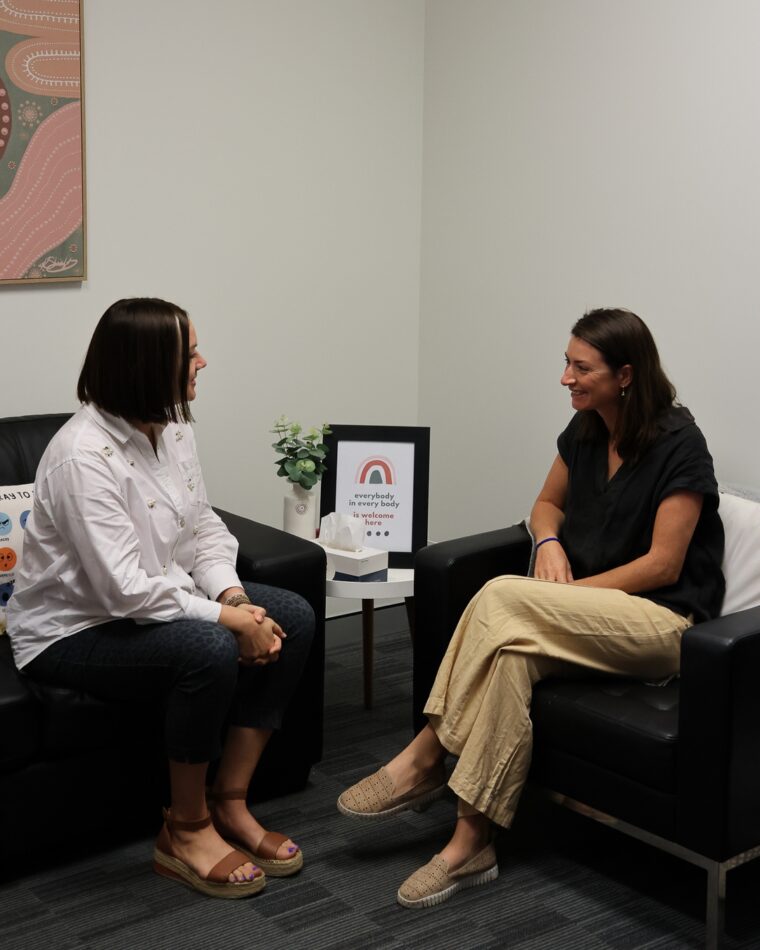
We recognise that access to services in regional areas is often one of the biggest challenges. At headspace Grafton, we implemented the Single Session Thinking model, reducing our average wait time from 11.1 to 4.7 days—a 58% reduction. This isn’t just a statistic; it’s the difference between a young person reaching out in crisis and actually receiving support when they need it most.
Single Session Thinking functions as a primary, rapid-response pathway. Often, we now have same-day appointments available. More importantly, this model puts young people in the driver’s seat of their own care journey. The satisfaction we’re seeing isn’t just about speed—it’s about agency, dignity, and being heard.
For our Women’s Health Centre, this year marked the launch of our Refugee Women’s Health Talks—culturally safe, welcoming spaces that promote trust, health literacy, and connection. We delivered three Menopause Talks tailored for Yazidi women, Burmese women, and a multicultural women’s group. We also partnered with Saltwater Freshwater Arts Alliance to host Yarn and Weave workshops with the STARTTS Yazidi Women’s group, recognising that health conversations happen best when they’re culturally grounded and community-led.
What 2026 Holds
Looking ahead, I’m particularly excited about embedding our Building Cultural Capacity program at headspace Grafton. This means adding a Social and Emotional Wellbeing Worker to our team, establishing weaving and yarning circles, and launching Big Uncles groups. These initiatives aren’t add-ons—they’re fundamental to providing care that truly serves our community.
Cultural capacity isn’t just about good intentions. It’s about creating structures and programs that reflect the lived experiences and strengths of Aboriginal and Torres Strait Islander young people. It’s about ensuring that when someone walks through our doors, they see themselves reflected in our approach, our people, and our understanding of wellbeing.
The Quiet Work of Leadership
What I’ve learned over this past year is that leadership in community health is less about bold gestures and more about consistent commitment. It’s about showing up for difficult conversations about workforce sustainability. It’s about advocating for continued funding when services are chronically underfunded. It’s about recognising that supporting women and young people means supporting the whole system that surrounds them.
The feedback from our community reminds me why this work matters:
“It was good to have someone to talk to who gets it—no pressure, just support.” – Young person, headspace Grafton
“Every time I visit I am greeted with so much kindness and warmth. Just incredible we have access to this wonderful care in Coffs Harbour.” – Client, Women’s Health Centre
This is what accessible healthcare looks like. Not perfect, but present. Not without challenges, but committed to doing better.
Moving Forward
Regional communities face unique barriers to health access—distance, workforce shortages, limited specialist services. But they also have unique strengths—connection, resilience, and deep understanding of what care means when it’s done right.
At Health Voyage, we’re committed to building on these strengths. We’re committed to ensuring that geography isn’t destiny when it comes to health outcomes. And we’re committed to the quiet, essential work of showing up – day after day – for women and young people who deserve nothing less than quality care, delivered with dignity and respect.
As we move into 2026, I’m carrying forward the lessons of this past year: that sustainable change requires investment in people, that innovation often means removing barriers rather than adding complexity, and that the most meaningful impact happens in the everyday moments of connection between clinician and client.
Thank you to our funders, our partners, our staff, and most of all, to the women and young people who trust us with their care. Your courage in seeking support, your feedback in helping us improve, and your resilience in navigating complex systems continue to inspire everything we do.
Here’s to healthier people and stronger communities in the year ahead.
Tazmyn Jewell is the Chief Executive Officer of Health Voyage., a community health organisation serving the North Coast of NSW through the Coffs Harbour Women’s Health Centre, the Endometriosis and Pelvic Pain Clinic, headspace Coffs Harbour, and headspace Grafton and the Work and Study Program for the Clarence Valley.