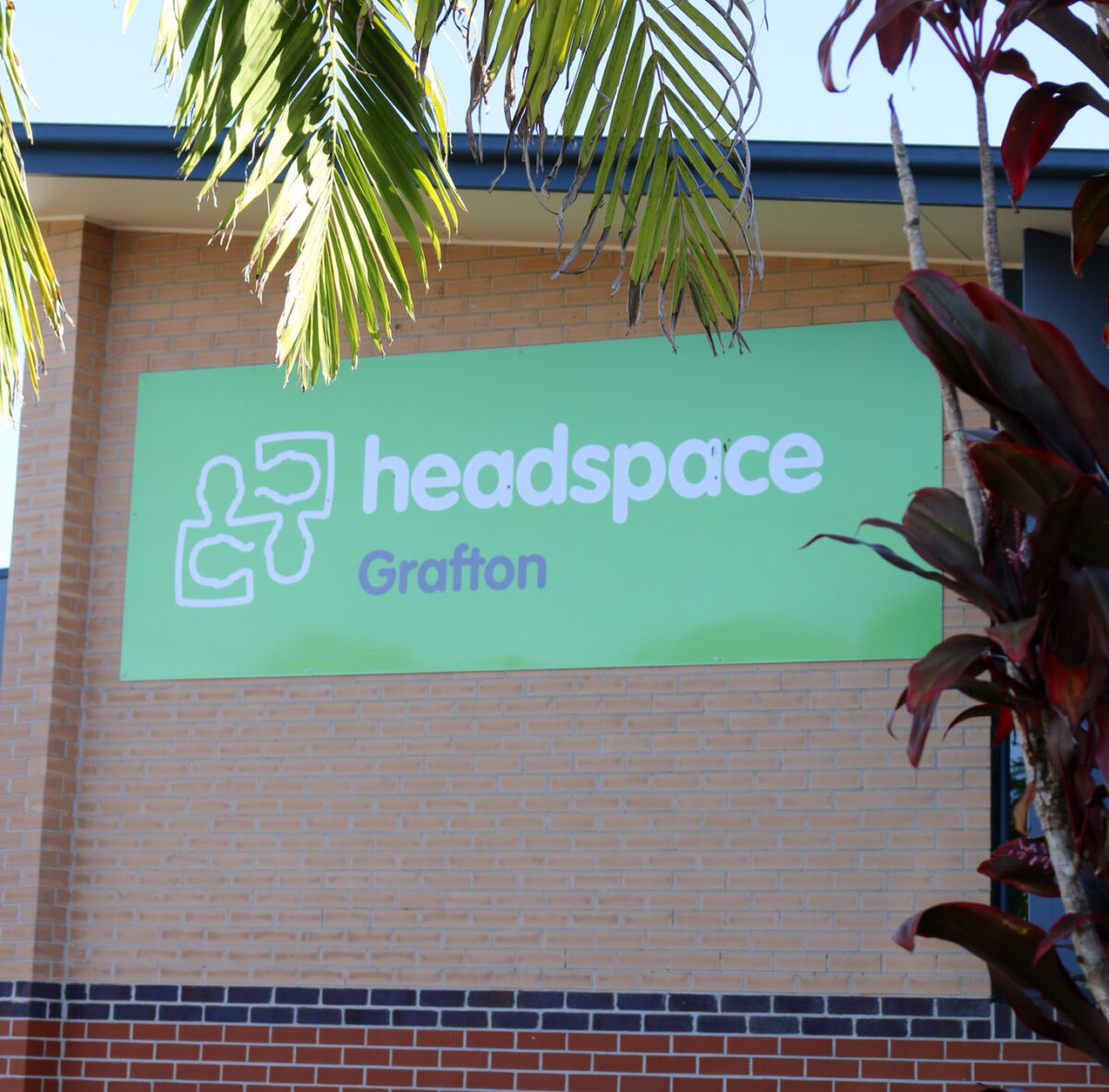
For many young people, asking for help feels like the hardest step. A team of clinicians in Grafton is changing that – one conversation at a time.
headspace Grafton | World Teen Mental Wellness Day, March 2026
There’s a particular kind of silence that worries Jenni Pollard. It’s not the silence of a young person who’s doing fine. It’s the silence of someone who’s struggling – who knows something is wrong – but who talks themselves out of reaching out because they don’t think what they’re going through is “serious enough.”
“A lot of young people come in and say, ‘I wasn’t sure who to talk to’ ,’” says Pollard, Clinical Lead for Youth Mental Health at headspace Grafton. “But that’s exactly why we’re here. You don’t need to be in crisis to walk through our door. You just need to show up.”
On World Teen Mental Wellness Day – observed each year on March 2 – headspace Grafton is amplifying a message that the team lives by every single day: starting the conversation is enough.
THE PROBLEM
When Stigma Keeps Young People Silent
Mental health support for young people has come a long way. But stigma – the quiet, persistent belief that needing help means something is fundamentally wrong with you – remains the single biggest barrier standing between teenagers and the care they need.
“There’s still this idea that you have to be ‘really unwell”’ to see someone,” Pollard explains. “That seeking help is a sign of weakness, or something to be embarrassed about. We hear it often.”
For the 12-to-25 age group that headspace serves, that stigma is compounded by a landscape that can feel genuinely overwhelming. New data from the 2025 headspace National Youth Mental Health Survey found that nearly half of young Australians – 49% – rank cost of living among their top five concerns. Study pressure (38%), future job opportunities (34%) and housing affordability (34%) follow close behind.
“You don’t need to be in crisis to walk through our door. You just need to show up.”
Jenni Pollard, Clinical Lead — headspace Grafton
These aren’t abstract statistics in Grafton. They’re the stories that come through the door, often presenting as anxiety and depression.
Jenni Pollard, Clinical Lead at headspace Grafton
THE SOLUTION
Single-Session Therapy: Meeting Young People Where They Are
One of the most significant shifts in how headspace Grafton operates is a move away from the traditional model of mental health care – the one that puts a young person on a waiting list for weeks or months before they receive any support at all.
“A teenager might reach out in a moment of real distress,” Pollard says. “Then they wait three months for an appointment. By then, the crisis has shifted, their situation has changed, and the support they finally get doesn’t match where they are anymore. That’s not a system that serves young people well.”
The answer, for headspace Grafton, is Single-Session Therapy — or SST. The model is straightforward: a young person comes in and receives immediate, focused support in a single session in a day or two. No long intake process. No lengthy waitlist. Just a conversation, when they need it.
“It can be ten minutes, or it can be an hour — it’s up to them. The young person is in control. They leave with something practical they can actually use.”
The session is followed by a check-in from the headspace team, with an open invitation to return whenever needed. But the critical difference is what happens at the start: something useful, right now.
“For a lot of young people, just knowing that someone heard them – today, not in three months – makes an enormous difference,” Pollard reflects.
THE TEAM
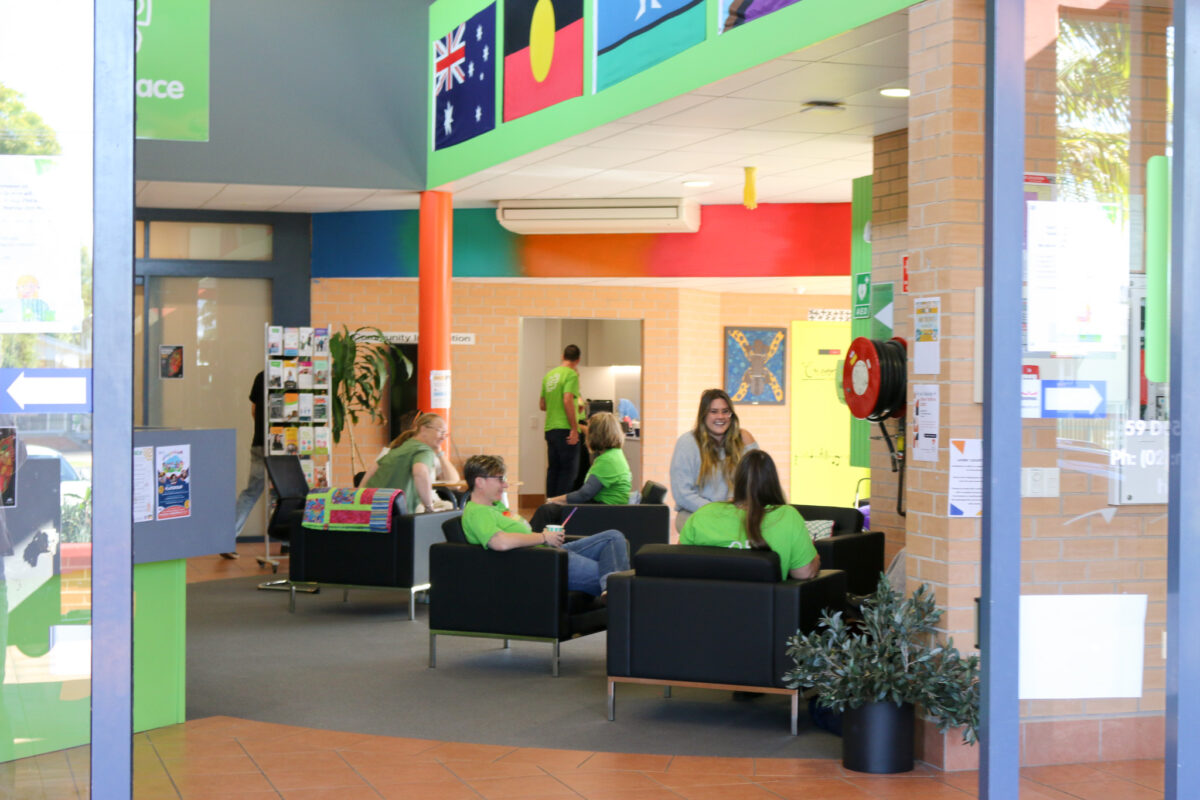
More Than a Clinic — A Community Hub
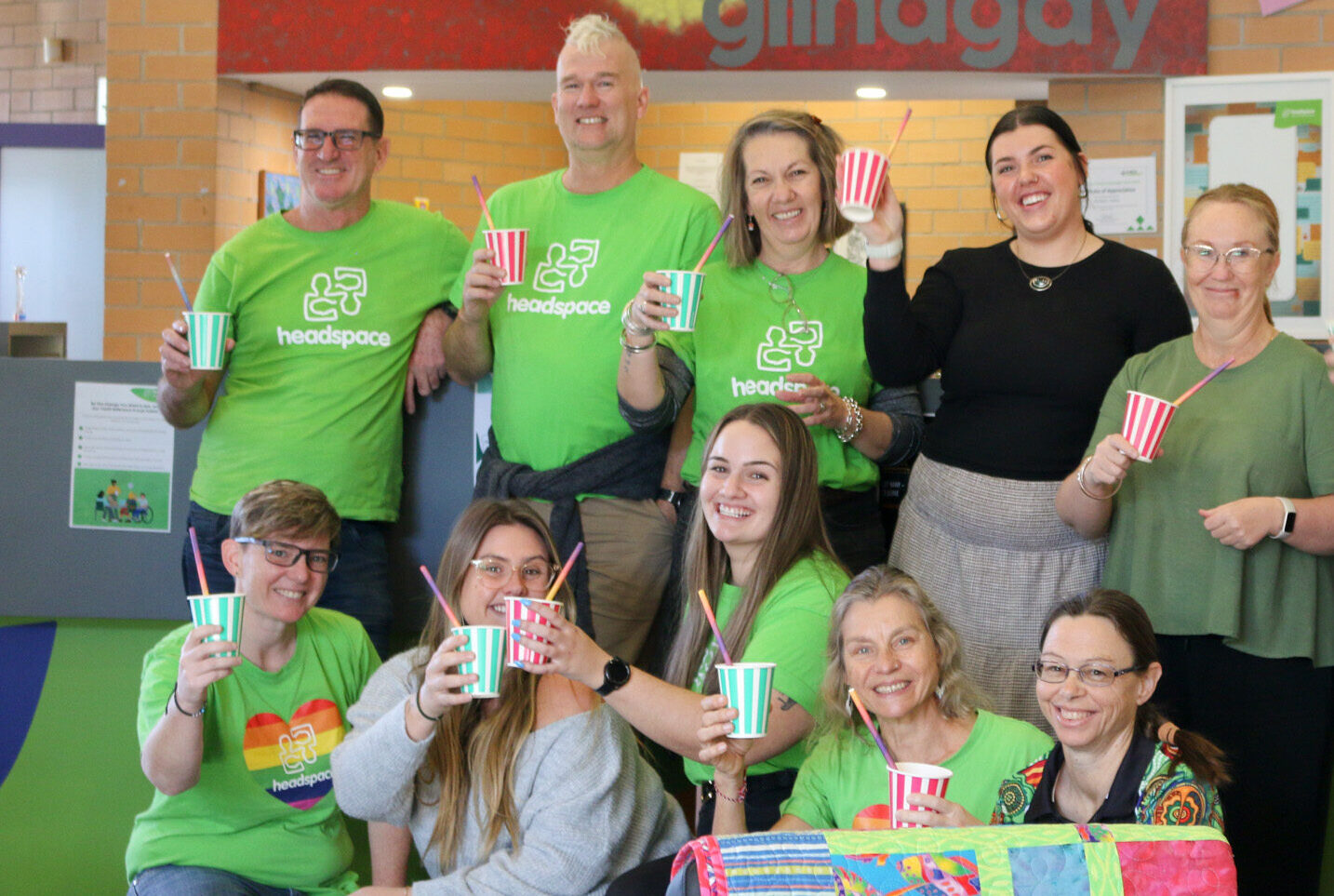
Walk into headspace Grafton and you’ll find a team of clinicians (Masters of Social Work Clinicians, Psychologists, Dietitian and Art Therapist, Social and Emotional Wellbeing Worker and Peer Worker) But the work doesn’t stay within those walls.
Clinicians regularly head out to local schools and community events – not to deliver presentations, but simply to be present. To become a familiar face. To be the person a young person has actually met before they ever need to make an appointment.
“Familiarity matters enormously,” says Pollard. “If a young person has seen you at their school, had a laugh with you at a community event – when they need help, you’re not a stranger. The barrier is so much lower.”
The programs on offer reflect a deep understanding that young people don’t always arrive through a clinical front door. Art therapy – both individual and in groups – offers creative expression as a pathway to connection. A cooking club brings young people together in a low-pressure setting that builds social skills alongside practical ones. A Work and Study program helps navigate the real-world pressures of resumes, job applications, and university entry.
There is a dedicated Social and Emotional Wellbeing Officer supporting Aboriginal youth through culturally grounded programs including Big Uncles and a weaving group – spaces where identity, community and wellbeing are held together. Specialist services include a dietitian, tele-psychiatry, psychology and targeted school workshops covering topics like managing anger and healthy relationships.
“Familiarity matters enormously. When they need help, you’re not a stranger. The barrier is so much lower.”
Jenni Pollard – Clinical Lead, headspace Grafton
The common thread through all of it is trust – built slowly, deliberately, and without pressure.
ADVICE
What to Do If You’re Worried
For young people or family reading this, Pollard’s message is consistent and clear: support is available, and the people at headspace Grafton genuinely want to hear from you.
“Come in for a conversation. That’s it. You don’t need to have all the answers, or know exactly what’s wrong, or be at a certain level of distress. Just come and meet us.”
In the meantime, the basics matter more than they’re often given credit for – consistent sleep, regular movement, decent nutrition, and staying connected to people who care about you. “They’re not exciting answers,” Pollard acknowledges, “but they are genuinely protective. The fundamentals work.”
For parents and caregivers, Pollard advises watching for sustained, abrupt changes in behaviour – withdrawal from friends and family, loss of interest in things that used to matter, shifts in sleep or appetite that persist over time. The instinct to fix things quickly is understandable, but listening – really listening, without rushing to solutions – is often more valuable.
“If your young person is talking to you, that’s already a huge thing. Don’t underestimate how much it means that they came to you. Listen first.”
And if outside support feels necessary, reaching out to a service like headspace isn’t a sign that something has gone wrong as a parent. It’s a sign that you’re paying attention.
Starting the conversation
World Teen Mental Wellness Day is a reminder – not just for the young people who might be struggling, but for all of us – that early support changes outcomes. That the conversation doesn’t have to wait until things get worse. That there is a team in Grafton, right now, ready to listen.
“Every young person who walks through our door matters,” says Pollard. “We want the young people of this region to know that they belong here – and that starting the conversation might be the most important thing they ever do for themselves.”
headspace Grafton — Contact & Support
For young people aged 12–25
Free and low-cost support — no referral needed
📍 59 Duke St | 📞 (02) 6642 1520 | 🌐 https://headspace.org.au/headspace-centres/grafton/
Walk in, call, or book online
Anyone can register for a headspace National account – Online & phone support | headspace, this can include access to information, peer led chats, online and phone clinicians and work and study support.