
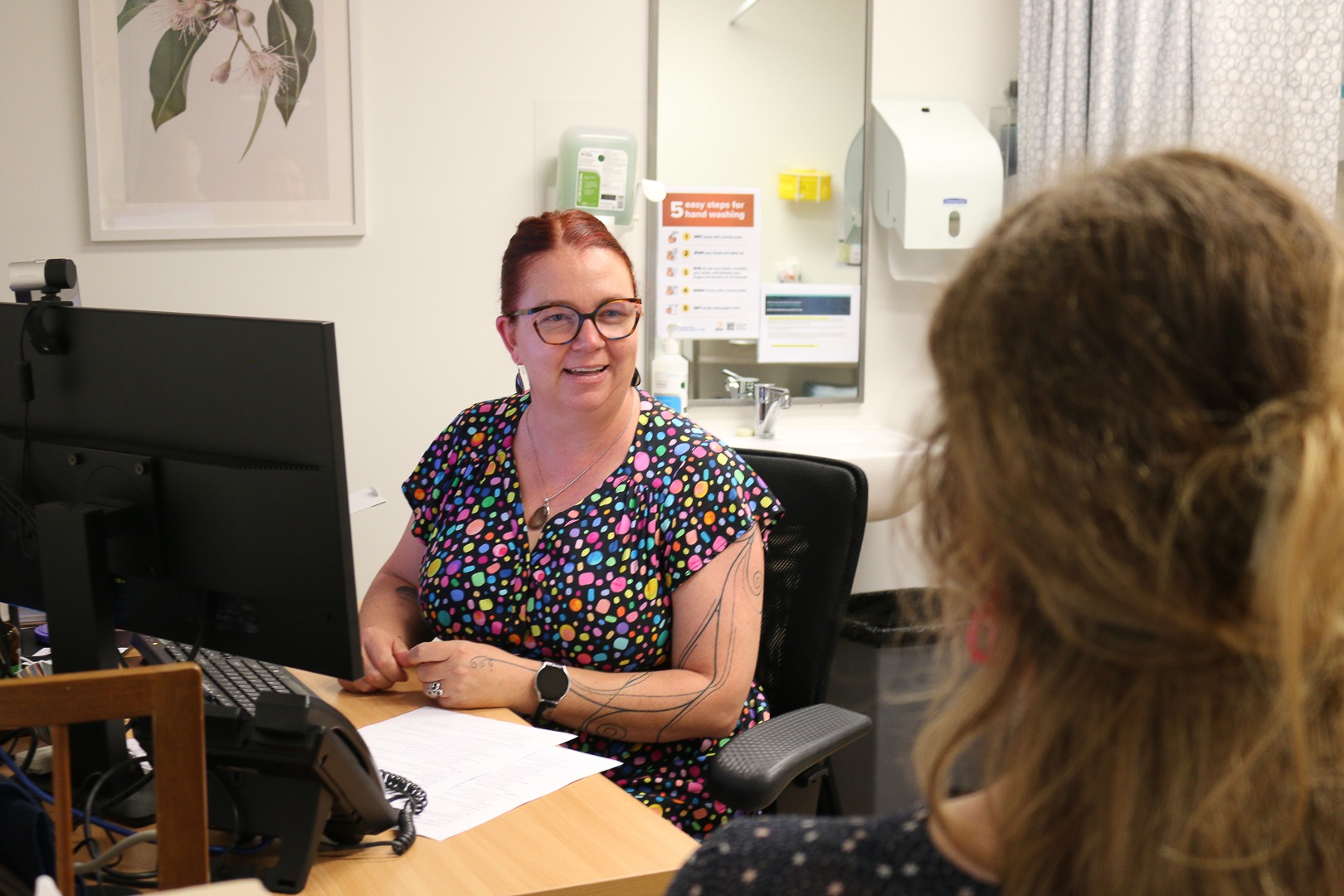
International Day of Women & Girls in Science may officially be the 10th of February – but the conversation deserves more than a single day. Read more to see Health Voyage CEO Taz’s musings on International Day of Women & Girls in Science.
This year’s theme, “Synergising AI, Social Science, STEM and Finance: Building Inclusive Futures for Women and Girls,” couldn’t be more relevant to the challenges we face in global health. We’re living through a time of extraordinary scientific advancement – AI is revolutionising diagnostics, data analytics is transforming how we understand population health, and breakthrough technologies promise solutions to our most pressing health challenges.
Yet the statistics tell a sobering story:
- Women make up just 31% of researchers globally
- Only one in five professionals in AI is a woman
- In cutting-edge fields like quantum computing, fewer than 2% of job applicants are women
- While young women are actually more likely than young men to pursue higher education, they comprise only 35% of science graduates
These gaps aren’t just numbers. They represent missed perspectives, unasked questions, and solutions that may never be developed.
Science Beyond the Laboratory
At Health Voyage, I see science every day in forms that extend well beyond laboratories or journals. It lives in the clinician adjusting care plans based on emerging evidence and lived experience. In the health promotion worker designing group programs that draw on behavioural and social science to support real-world change. In the quality and governance staff analysing incident trends and client feedback to strengthen safety and outcomes. And in the program and policy teams translating research, standards and community data into practical services that improve health for women, young people and families in our region.
Our work sits at the convergence of the four pillars outlined in this year’s theme:
Technology – At Health Voyage, technology shows up in practical, people-centred ways: through digital client systems, outcome measurement tools and service-level data analysis that help us monitor quality, identify gaps and improve access for people who are often underserved by traditional health systems.
Social Science – Our work is deeply informed by social science. Staff design and deliver services with a strong understanding of human behaviour, trauma, culture, community dynamics and the social determinants that shape health outcomes, ensuring programs are responsive, inclusive and grounded in lived experience.
STEM Disciplines – Scientific rigour underpins everything we do. From evidence-based clinical practice and epidemiology to evaluation, quality improvement and governance, Health Voyage applies STEM disciplines to ensure our services are safe, effective and continuously improving.
Finance – Sound financial stewardship enables our impact. We demonstrate that investing in equitable, community-led health services deliver measurable returns—not only in outcomes and accountability, but in long-term sustainability, innovation and organisational resilience.
The Women Driving Our Mission
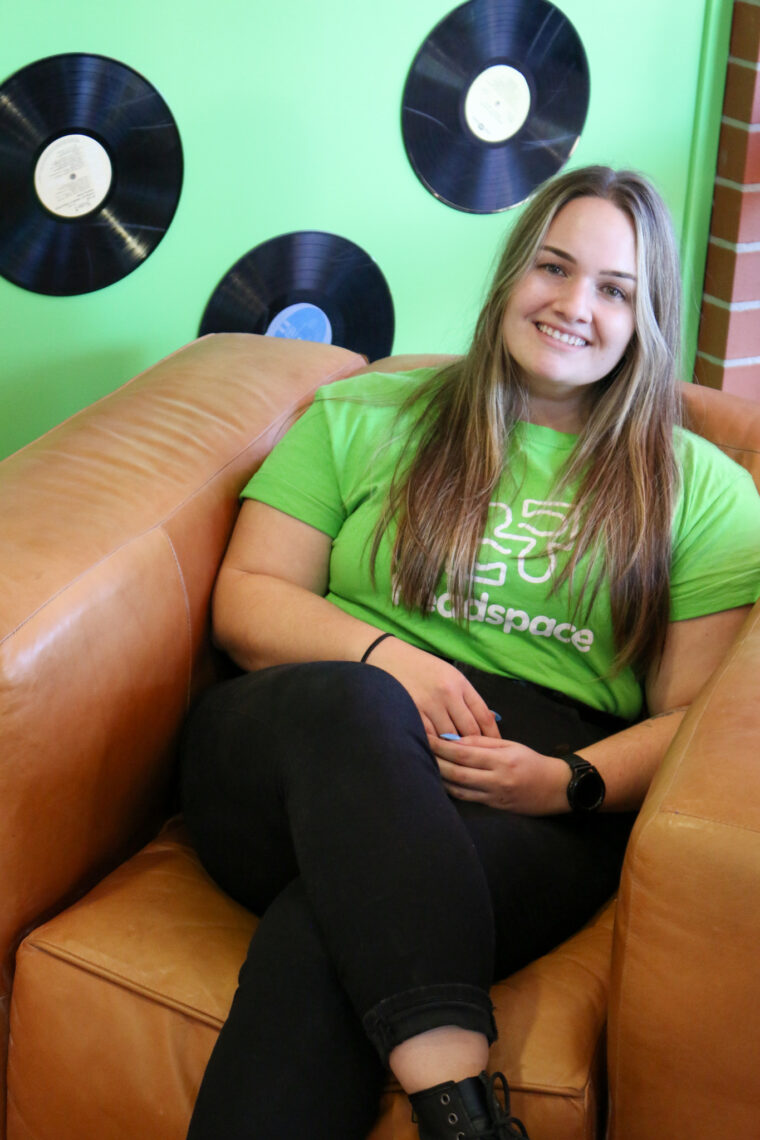
This week, we’re celebrating the women across Health Voyage who embody what it means to be a scientist in today’s world. At Health Voyage 92% identify as female. They’re science-focused and specialists in their fields, yes—but they’re also program managers designing community-driven interventions, health promotion workers who understand how to impact change in our community, and clinical advisors ensuring evidence translates to care.
What unites them isn’t just their expertise. It’s their commitment to asking different questions. To centering equity in technical design. To recognising that who builds the system determines who the system serves.
When models are developed without diverse teams, they risk perpetuating existing biases. When health research overlooks women’s participation, findings may not apply to half the population.
A Message to the Next Generation
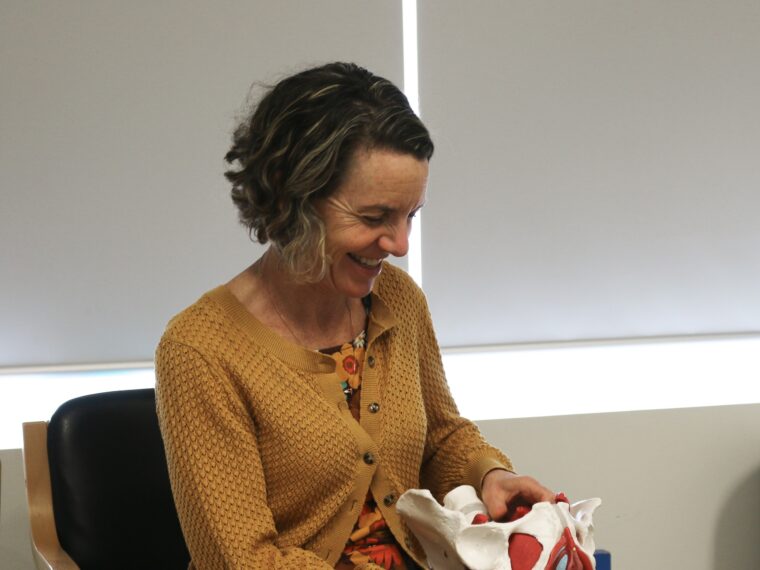
To every girl who loves asking why. To every young woman who sees patterns others miss. To everyone told that science “isn’t for them”:
You belong here.
The health challenges facing our world – climate change, pandemic preparedness, evidence based clinical models of care, health equity – demand diverse perspectives. They require people who understand both the technical and the human. Who can bridge disciplines. Who brings lived experience to scientific inquiry.
Your perspective isn’t just welcome. It’s essential.
The Path Forward
Closing the gender gap in science isn’t charity. It’s strategy.
Research shows that gender-diverse teams produce more innovative solutions and consider a wider range of use cases. Studies find that women-led health initiatives often achieve better community engagement and more sustainable outcomes. Companies with gender balance at leadership levels demonstrate stronger performance and resilience.
At Health Voyage, we’re committed to ensuring our teams reflect the communities we serve and the future we’re building. That means:
- Actively recruiting and advancing women across all roles
- Supporting pathways for girls to pursue STEM education
- Challenging the assumption that “technical expertise” looks one particular way
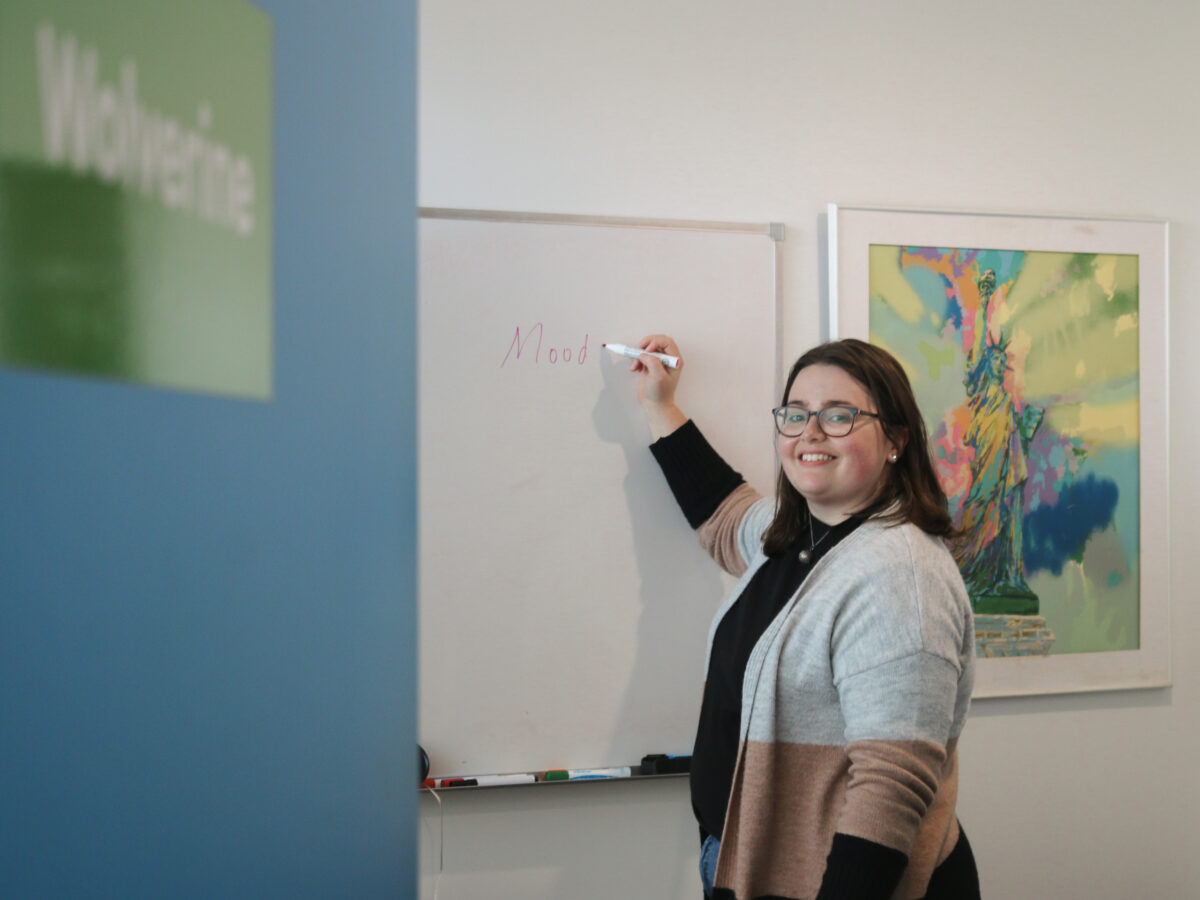
- Recognising that scientific leadership happens in boardrooms, remote outreach clinics, and everything in between
Science That Serves Everyone
The promise of synergising technology, social science, STEM, and finance isn’t just about technological advancement. It’s about ensuring that advancement serves everyone—especially those who’ve historically been left behind.
When women are involved in developing health tools, those tools are more likely to work across diverse populations. When women shape financial mechanisms, they’re more likely to fund community-based solutions. When women lead research, they ask questions that might otherwise go unexplored.
This International Day of Women and Girls in Science, I’m reminded that our work at Health Voyage is only possible because of the brilliant women who choose this path every day – often in the face of systemic barriers, unconscious bias, and underrepresentation.
To my colleagues, collaborators, and the women across global health who show up, speak up, and refuse to accept that the status quo is good enough; Thank you. You’re not just advancing science. You’re expanding what science can be.
And to the girls watching: We’re building this future for you. And we can’t wait for you to build it with us.
Because when women lead in science, everyone benefits.
#WomenInScience #WomenAndGirlsInScience #STEM #GlobalHealth #HealthEquity #WomenInSTEM #Innovation #HealthVoyage
What barriers have you observed in making science more inclusive? What solutions have you seen work? I’d love to hear your perspective in the comments.