
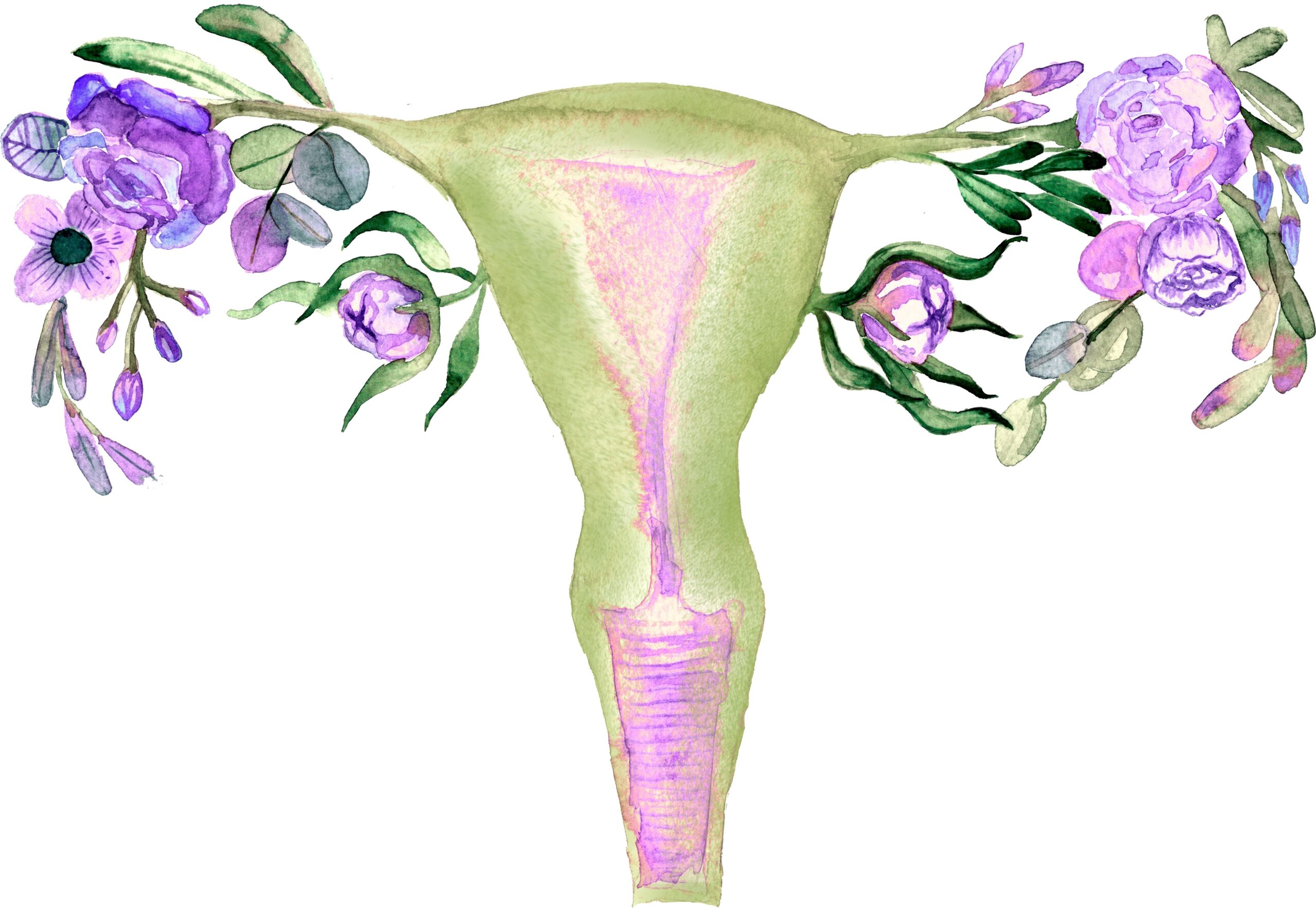
ENDOMETRIOSIS AWARENESS MONTH
An interview with Heidi Mortimer, APA Physiotherapist and Manager of the Endometriosis & Pelvic Pain Program at Health Voyage
For the nearly one in seven women, girls, and other individuals of reproductive age living with endometriosis, every day can bring an exhausting cycle of pain, uncertainty, and being told their experience is “normal.”
This Endometriosis Awareness Month, we sat down with Heidi Mortimer – physiotherapist, advocate, and program manager – to talk about the reality of this condition, why it takes so long to diagnose, and what genuine support actually looks like.
The Long Wait for Answers
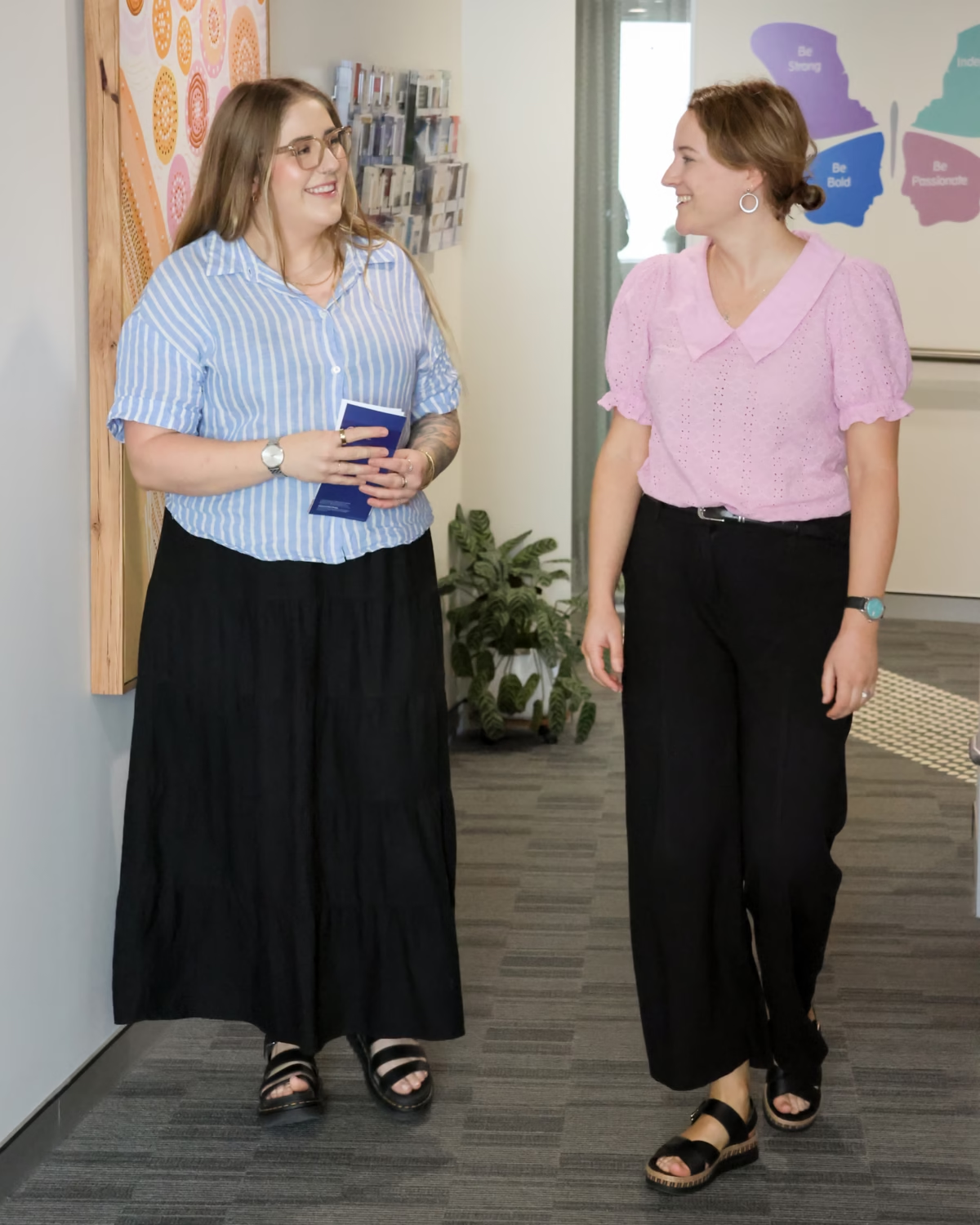
One of the most striking – and troubling – realities of endometriosis is how long it takes to receive a diagnosis. On average, women wait between six and eight years from the onset of symptoms before they are finally diagnosed. Just a decade ago, that wait was even longer: seven to twelve years.
“Women are often told their pain is normal,” says Heidi. “That normalisation – sometimes even within families, because the condition has a genetic link – means women delay seeking help for years. They assume everyone feels this way.”
The reasons for diagnostic delays are systemic. For decades, laparoscopic surgery was the only recognised way to confirm endometriosis. While specialised ultrasound is now a viable diagnostic tool, it requires specifically trained sonographers and radiologists – a resource that remains scarce in many regional and rural areas. For women outside major cities, this adds another layer of delay and inequality to an already difficult journey.
The Real Cost: Pain, Productivity, and Livelihoods
Endometriosis doesn’t just affect health – it reshapes careers, finances, and daily life in profound ways. The numbers paint a stark picture:
- Australia loses over $9.7 billion annually to endometriosis, two-thirds of which is due to decreased workplace productivity.
- The average annual cost per woman is $31,000 – with women in severe pain facing costs six times higher than those with minimal symptoms.
- 1 in 3 women with endometriosis have been passed over for promotion.
- 1 in 6 have lost their job because of their condition.
- 70% have taken unpaid time off work to manage symptoms.
- Over a third have feared losing their job because of endometriosis.
The COVID-19 pandemic inadvertently highlighted just how much workplace flexibility matters. When remote working became widespread, 79% of women with endometriosis said it made managing their symptoms easier, and 60% reported being more productive working from home — in large part because they had access to comfort tools like heat packs and could rest when needed.
“The workplace impact is enormous,” Heidi notes. “And yet 64% of women felt judged when trying to manage their symptoms at work, and nearly 1 in 10 hadn’t told anyone at work about their diagnosis at all.”
Beyond the Physical: The Emotional and Social Toll
Endometriosis is far more than a physical condition. It strains relationships, affects fertility, and can lead to deep social isolation. The relentlessness of managing a chronic, incurable condition takes a significant mental health toll – and yet the emotional dimensions are often the last to be addressed in a medical system focused on symptom management.
Out-of-pocket costs compound the burden. Seeing multiple specialists, accessing appropriate imaging, and building a multidisciplinary care team – which might include a physiotherapist, dietitian, osteopath, and pain specialist – can run to thousands of dollars annually. For many women, getting adequate care is simply out of reach.
A New Model of Care: The EPP Clinic
The Endometriosis and Pelvic Pain (EPP) Clinic, which Heidi manages at Coffs Harbour Women’s Health Centre, was established to tackle these exact challenges head-on. Since opening in mid-2023, the clinic has seen 300 patients – driven almost entirely by word of mouth and GP referrals.
The model is built around integration and accessibility. Rather than patients bearing the burden of coordinating care across multiple providers, the EPP Clinic brings everything together under one roof:
- Patients can self-refer without a GP referral fee, via an online questionnaire.
- A single comprehensive intake captures full medical history – so patients never have to repeat their story.
- A coordinated team – GP, nurse, physiotherapist, dietitian, pain educator, and social worker – works together on each patient’s care.
- Patients are discharged back to their regular GP with a clear, personalised management plan.
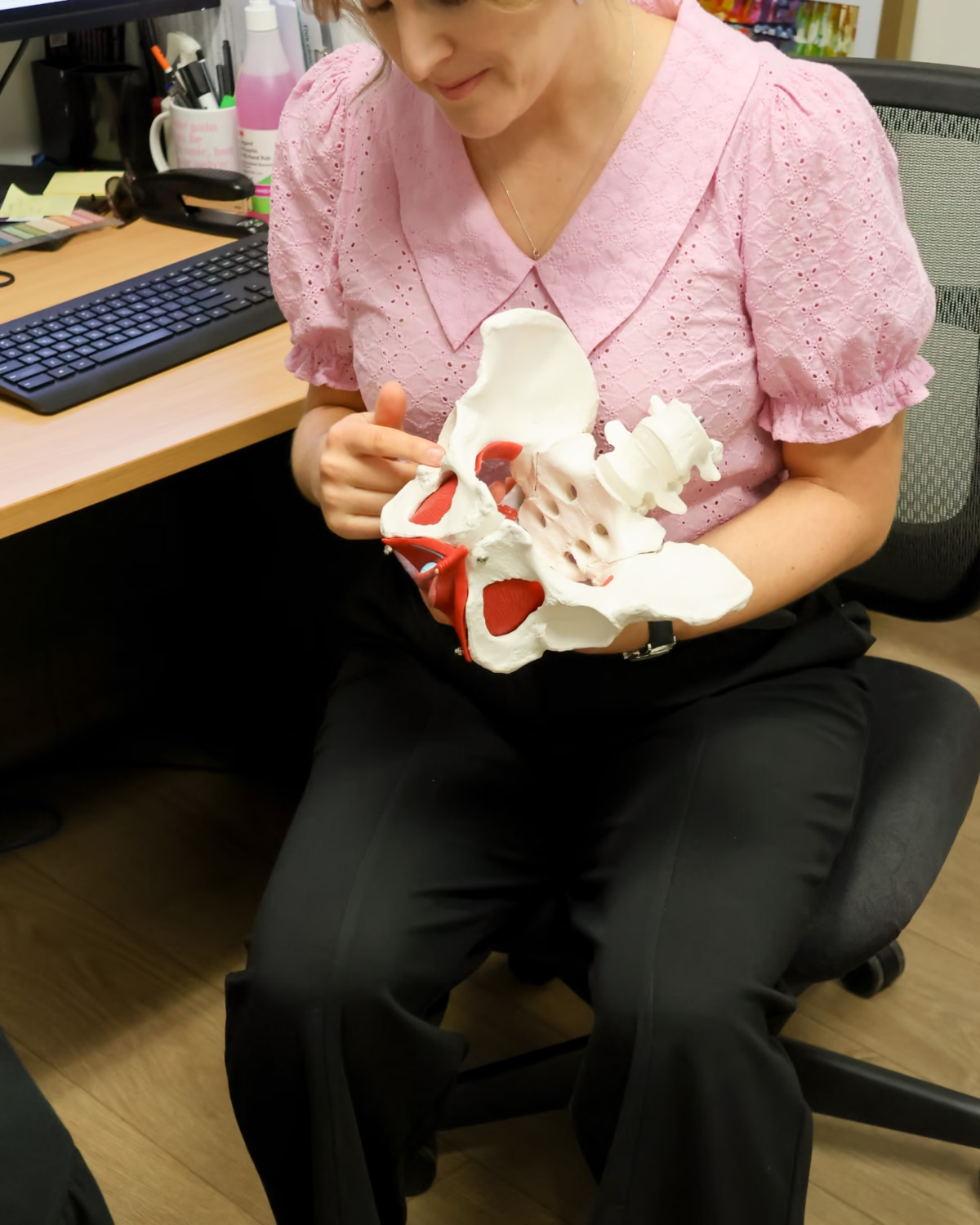
The EPP Clinic has supported GPs in the community to undertake additional training in endometriosis and pelvic pain, by supporting the upskilling and working in partnership with private GPs we are making a greater impact for more women.
For patients in more remote areas, telehealth ensures geographic isolation doesn’t mean healthcare isolation. The Coffs Harbour EPP Clinic is funded by Healthy North Coast through the North Coast PHN Program.
What Workplaces Can Do Right Now
Supporting an employee with endometriosis doesn’t require a sweeping policy overhaul. Often, small adjustments make a significant difference. Recommendations from research and clinical experience include:
- Flexible working hours and location – 90% of women consider workplace flexibility essential for managing their condition.
- Access to facilities to warm a heat pack or fill a hot water bottle.
- Permission to leave workstations for regular breaks.
- Sit/stand desks and ergonomic seating in office environments; stools for roles requiring long periods of standing.
- Introduction of 20-minute rest periods during flare-ups.
- Flexibility on uniform requirements during severe symptom periods.
- Access to employee healthcare benefits including counselling, mindfulness programs, and assisted exercise.
Above all, women say they want to be taken seriously. They want understanding, awareness, and the ability to self-manage their time without fear of judgment or professional consequences.
The Message: Believe Yourself, Build Your Team
For anyone who suspects they may have endometriosis, Heidi’s message is clear: trust your instincts.
“Your symptoms are real. You are not being dramatic. The pain you experience deserves proper attention and care.” The key steps are to find a GP who listens, build a multidisciplinary care team, and develop a personal toolkit of strategies for managing a condition that, while not curable, is absolutely treatable. If you have access to an Endometriosis & Pelvic Pain Program in your area, you may be able to self-refer.
Endometriosis Awareness Month is a reminder that progress requires voices — the voices of patients, advocates, clinicians, and employers alike. Awareness leads to earlier diagnosis. Earlier diagnosis leads to better outcomes. And better outcomes start with believing women when they say something is wrong.
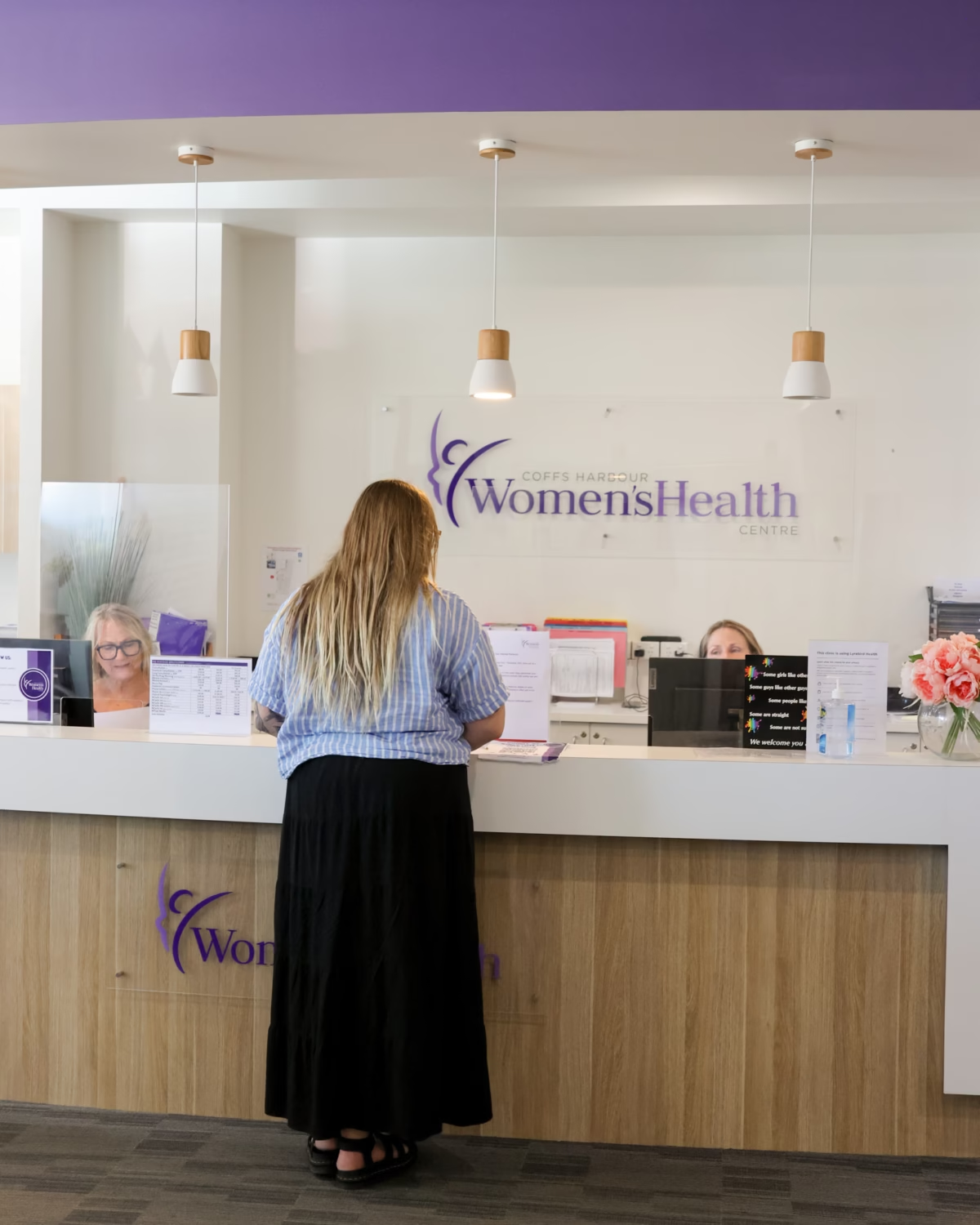
The Endometriosis & Pelvic Pain Clinic
https://healthvoyage.org.au/coffs-harbour-womens-health-centre/endometriosis-pelvic-pain-clinic/
Coffs Harbour Women’s Health Centre 02 6652 8111 | 43-45 Little St Coffs Harbour
Our goal is to provide patients a personalised and achievable plan to assist with management of Endometriosis and Pelvic Pain (EPP). We aim to provide you with information and resources you can utilise throughout your life.
Our team is here to support you to ensure you no longer feel alone in your pain journey.
Resources: The Patient Journey (PDF)
Websites:
- Pelvic Pain Foundation – https://www.pelvicpain.org.au/
- Jean Hailes – https://www.jeanhailes.org.au/
- Endometriosis Australia – https://endometriosisaustralia.org/